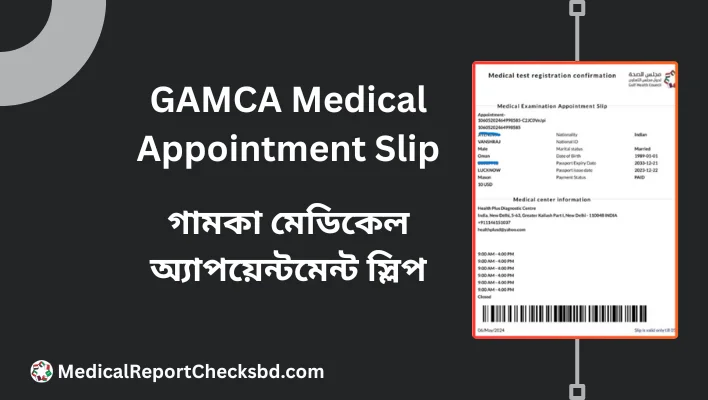
What Are the Medical Tests for GCC
If you are planning to work or live in Gulf Cooperation Council (GCC) countries such as UAE, Saudi Arabia, Qatar, Bahrain, Oman, or Kuwait, completing a Medical Tests for GCC is compulsory. This health screening is required to obtain a GCC Medical Fitness Slip, which is a mandatory document for employment and residency visa approval.
Applicants from countries like Bangladesh, India, Pakistan, Nepal, Sri Lanka, and the Philippines must complete this medical test through Wafid-approved medical centers (previously known as GAMCA). This guide explains all medical tests for GCC, their purpose, eligibility criteria, and important tips to help you avoid rejection.
Main Medical Tests Required for GCC Medical Slip
To confirm that an applicant is medically fit and does not pose a public health risk, GCC authorities require several standard medical examinations. Each test targets specific diseases or health conditions.
Blood Test
Blood screening is a mandatory part of the GCC medical examination for all applicants.
Purpose:
Blood tests are conducted to identify serious infectious diseases, including:
- HIV / AIDS
- Hepatitis B
- Hepatitis C
- Syphilis
- Malaria
Important Notes:
- A positive result for any listed infection usually results in medical unfitness
- Test results are commonly available within 24 to 48 hours
- Reports are digitally uploaded for visa verification
Chest X-Ray
A chest X-ray is required to check for tuberculosis (TB) and other lung-related conditions.
Purpose:
- Detect active or past TB infections
- Examine lung structure and chest cavity
- Identify abnormal lung shadows
Important Notes:
- Applicants with active TB are declared unfit
- In doubtful cases, additional tests such as sputum examination may be required
Urine Test (Urinalysis)
Urinalysis is included to evaluate metabolic and kidney-related health issues.
Purpose:
- Screen for diabetes indicators
- Identify kidney disorders
- Detect urinary tract infections (UTIs)
- Check for abnormal protein or blood levels
Important Notes:
- Avoid heavy sugar or protein intake before testing
- Stay hydrated, but do not drink excessive water
Physical Examination
A general physical assessment is carried out by a certified doctor at the medical center.
What the Doctor Checks:
- Eyesight and hearing
- Heart and lung sounds with stethoscope
- Blood pressure
- Height and weight
- Body movement and posture
Important Notes:
- Any visible medical condition may require further evaluation
- Providing honest medical information is essential
Medical Tests for GCC Summary Table
| Medical Test | Purpose | Fit / Unfit Criteria |
| Blood Test | Detects infectious diseases | Positive result means Unfit |
| Chest X-Ray | Identifies TB | Active TB means Unfit |
| Urine Test | Checks kidney & metabolic health | Severe issues means Possible Unfit |
| Physical Exam | General health assessment | Doctor’s evaluation |
Additional Important Information for Applicants
Why Medical Tests for GCC Are Mandatory
GCC medical examinations are designed to:
What Happens If You Are Declared Medically Unfit?
If an applicant is found medically unfit:
Tips to Pass Medical Tests for GCC Successfully
Frequently Asked Questions
Conclusion
Completing the GCC medical examination is a critical step for anyone planning to work or live in the Gulf region. Understanding the medical tests for GCC, including blood screening, chest X-ray, urine analysis, and physical examination, helps you prepare properly and reduce the risk of rejection. With the right preparation, accurate documentation, and honest disclosure, you can smoothly obtain your GCC Medical Fitness Slip and move forward with your visa process.