
Everything Your Team Should Understand About Scanning For Vulnerabilities
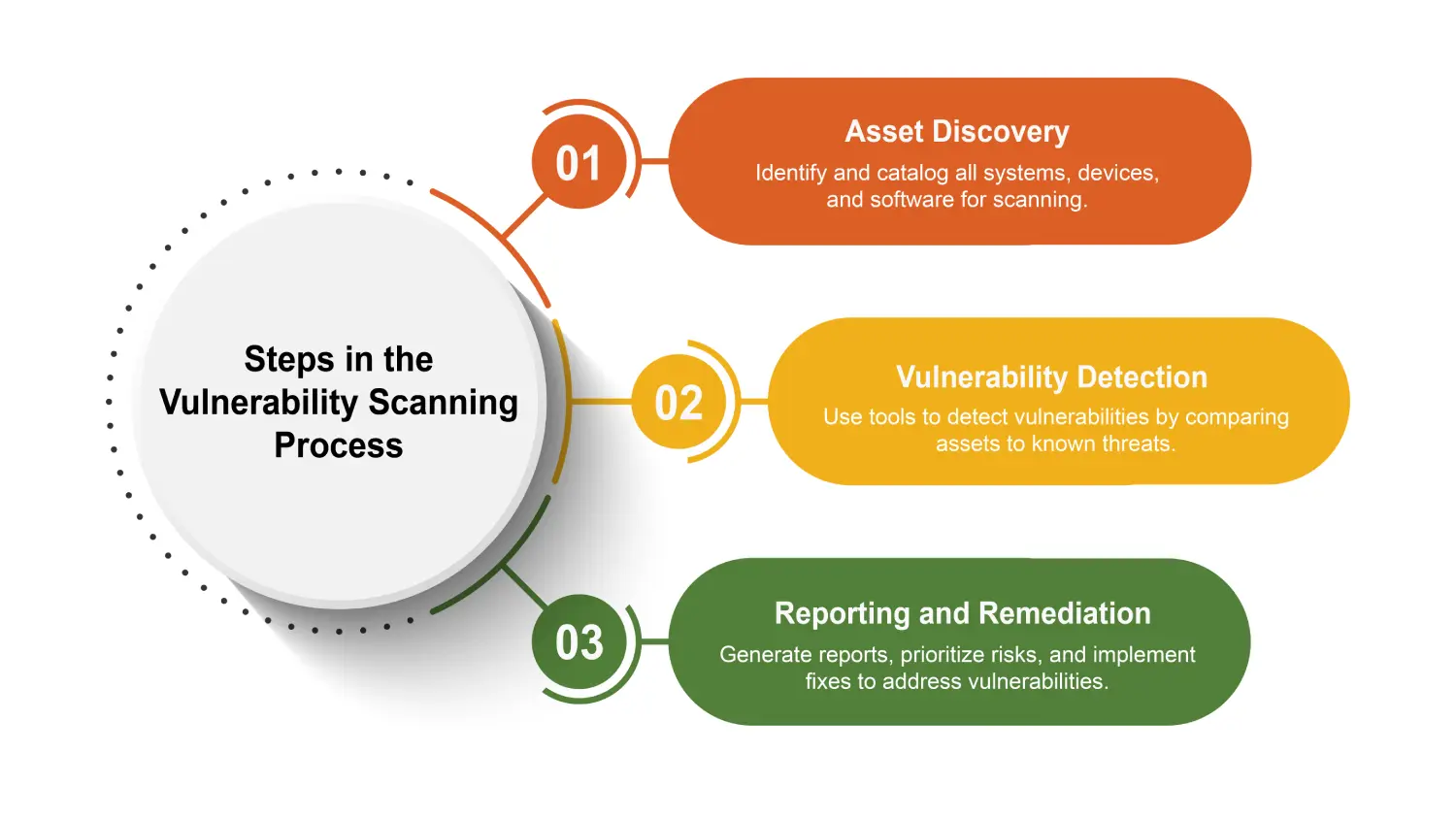
Security conversations inside most engineering teams tend to focus on what was built and how well it works. What gets less attention is what that infrastructure looks like from the outside, specifically which parts of it are reachable, outdated, or misconfigured in ways that create real risk.
Vulnerability scanning explained simply is the practice of finding those weaknesses before someone with bad intentions does. However, understanding how it works in practice, and where most teams get it wrong, is what makes the difference between scanning that improves security and scanning that just produces reports.
The Gap Between Knowing and Doing
Most technical teams understand that vulnerability scanning exists. Fewer have a consistent program around it. The gap usually comes down to three things: not knowing what to scan, not knowing how often to scan it, and not knowing what to do with the results when they arrive. Each of these is a solvable problem, but only if the team treats scanning as an operational discipline rather than a one-time setup task.
What the Scanner Is Actually Looking At
A vulnerability scanner examines systems, networks, and applications for weaknesses that are already documented and understood. It checks what is running in your environment against a continuously updated record of known exploitable issues, flagging anything that matches. The output is a prioritized list of exposures, each tied to a known vulnerability identifier, severity rating, and in most cases a recommended remediation path.
What scanning does not cover is equally important to understand. It will not catch zero-day vulnerabilities that have no public record yet. It will not simulate a sophisticated attacker chaining multiple weaknesses together. Also, it will not replace the judgment needed to decide which findings matter most in the context of a specific business. Scanning narrows the field significantly.
Where Teams Tend to Go Wrong
The most common mistake is treating the first scan as a milestone rather than a starting point. Infrastructure changes constantly. A clean scan result from three months ago says nothing about what a deployment introduced last Tuesday. Event-driven scanning, triggered by deployments, configuration changes, and newly published CVEs relevant to the tech stack, is what keeps results accurate rather than historical.
The second mistake is trying to act on everything at once. A mature scanning program prioritizes by actual exploitability and asset importance, not just by severity score. A critical finding on an internal development server ranks below a medium finding on a customer-facing API endpoint in most real-world contexts.
Making Results Usable
Raw scanner output is not built for decision-making. It is built for completeness, which means it surfaces everything and leaves the triage to whoever reads it. For teams without dedicated security staff, that volume creates paralysis rather than action.
This is the operational problem TopScan is designed to address. Rather than handing teams a wall of unfiltered findings, it groups vulnerabilities by service, applies priority context, and surfaces what needs a response first, making the output something an engineering team can use.
Final Word
Consistent cadence, defined scope that grows with the infrastructure, clear ownership of remediation, and results that feed directly into the team’s existing workflow. None of that requires a large security budget or a dedicated team. It requires treating scanning as an ongoing function rather than an occasional exercise.