
Red Light Therapy Belts for Pain Relief and Weight Loss
More people than ever are searching for ways to manage pain and shed stubborn weight without resorting to surgery, heavy medications, or invasive procedures. This growing demand has pushed a wave of at-home wellness technology into the spotlight, and red light therapy belts are emerging as one of the most talked-about solutions. Wrapping conveniently around the body, these wearable devices promise something remarkable: targeted relief from chronic pain and meaningful support for weight loss efforts, all through the power of light.
Red light therapy belts deliver specific wavelengths of red and near-infrared light directly to body tissue, triggering natural biological processes that can reduce inflammation, ease discomfort, and potentially support fat metabolism. For chronic pain sufferers dealing with arthritis, lower back pain, or muscle tension, the appeal of a drug-free, non-invasive option is hard to ignore. The possible weight loss benefits add another compelling layer for those pursuing a more complete wellness transformation.
This article breaks down the science behind how red light therapy belts actually work, examines the evidence supporting both pain relief and weight loss claims, and provides a practical guide to using one effectively. Whether you’re exploring these devices for the first time or looking to get more out of a belt you already own, you’ll find clear, actionable information here to help you make an informed decision.
What is Red Light Therapy? Unveiling the Science Behind the Belt
Red light therapy, also known as photobiomodulation, is a non-invasive treatment that uses specific wavelengths of light to stimulate natural healing processes within the body’s cells. Unlike ultraviolet rays that can damage skin, red and near-infrared light penetrate tissue safely, interacting with cellular structures to produce measurable biological effects. The technology was originally developed by NASA to support plant growth in space before researchers recognized its remarkable potential for human health applications.
At the cellular level, the primary mechanism involves mitochondria, the organelles responsible for producing adenosine triphosphate, or ATP, the energy currency of every cell in your body. When red or near-infrared light is absorbed by a mitochondrial enzyme called cytochrome c oxidase, it triggers an increase in ATP production, essentially giving cells more fuel to repair, regenerate, and function optimally. This boost in cellular energy also improves local circulation, bringing more oxygen and nutrients to treated tissue while helping flush out inflammatory byproducts.
The distinction between red and near-infrared wavelengths matters considerably. Red light, typically in the 630–660 nanometer range, penetrates the skin’s surface layers and is particularly effective for treating superficial tissue, inflammation near the skin, and surface-level recovery. Near-infrared light, ranging from roughly 810–850 nanometers, travels deeper into muscle, joint, and even bone tissue, making it especially valuable for chronic pain and deeper structural issues.
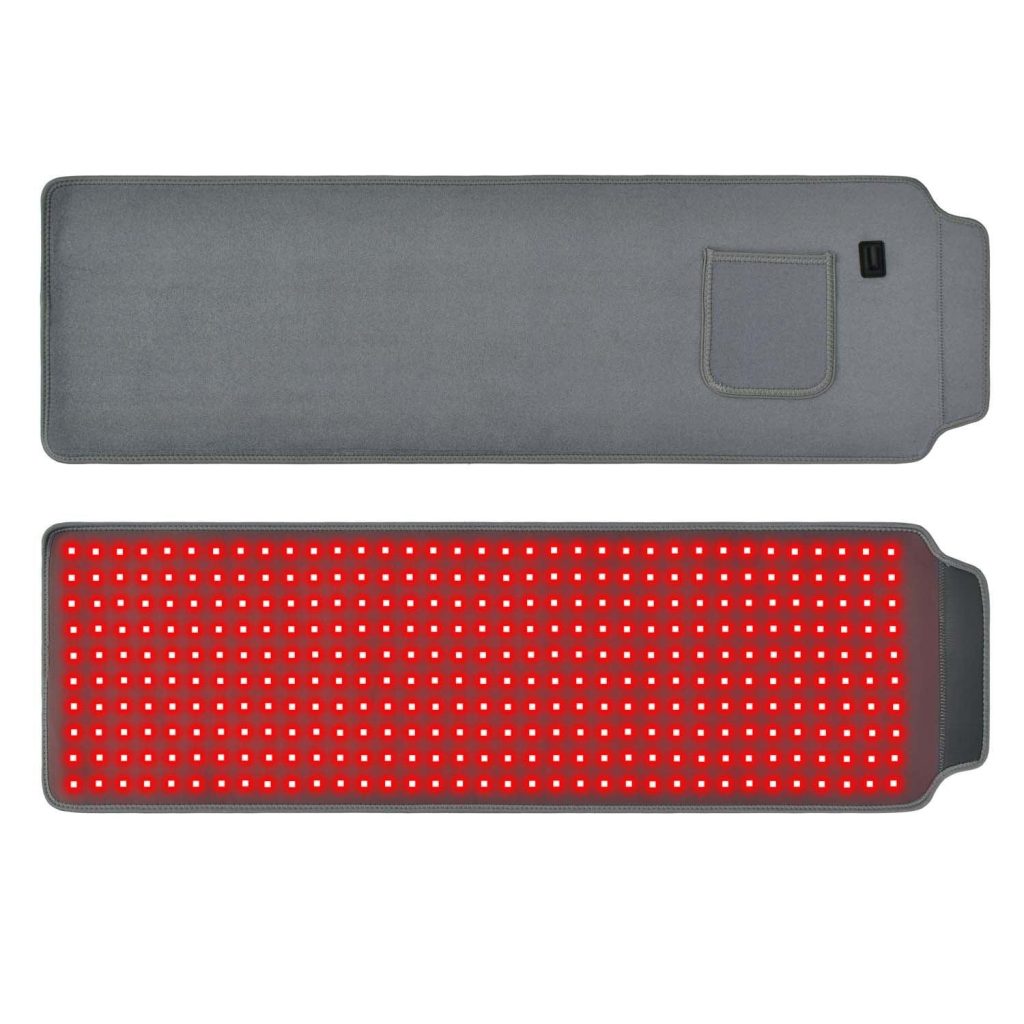
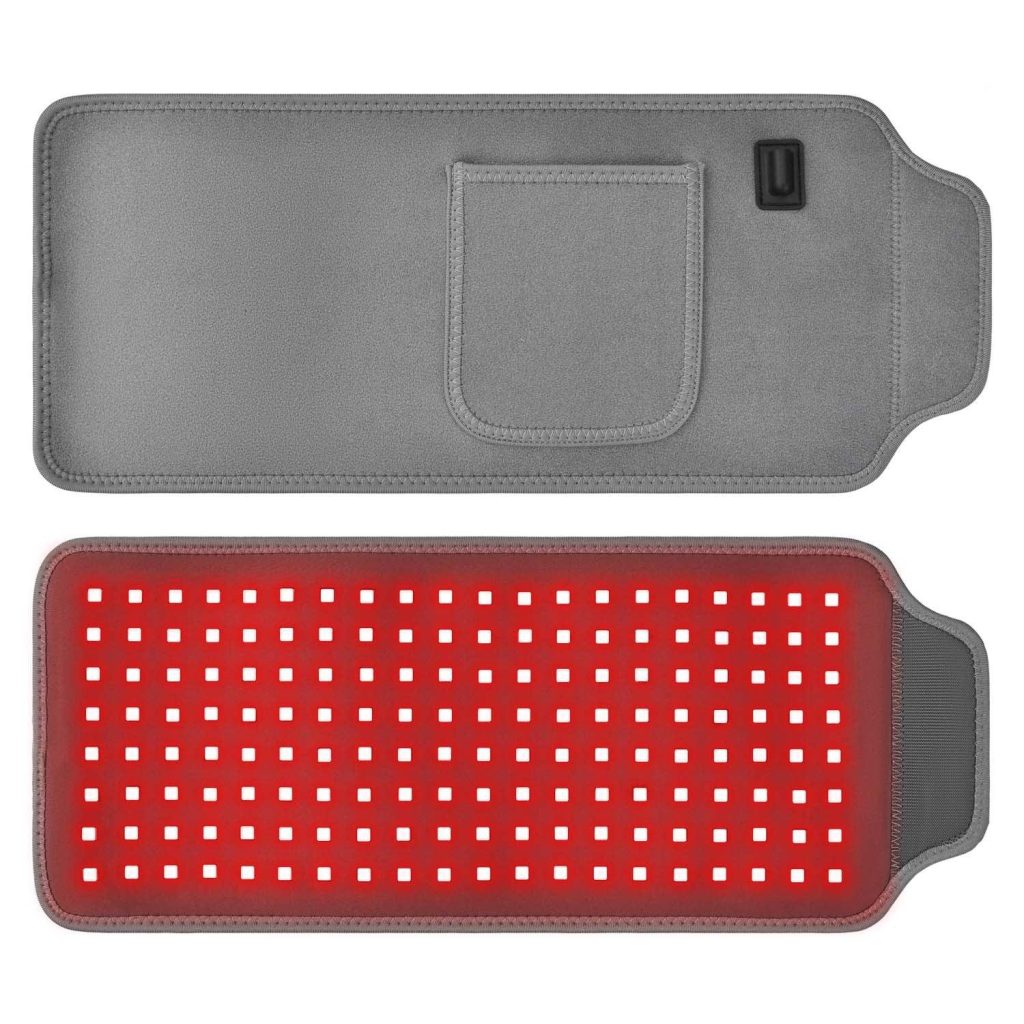
Red light therapy belts apply these principles in a wearable, hands-free format. By conforming directly to the body’s contours, the belt delivers consistent, concentrated light exposure to a targeted region, maximizing photon absorption across a broad treatment area without requiring clinic visits or complex equipment.
Red Light Therapy Belts for Chronic Pain Relief: A Non-Invasive Solution
For people living with persistent back pain, joint stiffness, or recurring muscle discomfort, the search for relief that doesn’t involve daily medication or invasive procedures can feel exhausting. Red light therapy belts offer a practical alternative by delivering therapeutic wavelengths directly to the affected area, whether that’s the lumbar spine, hips, or shoulders. The wearable design means treatment happens hands-free and can be done at home, making consistency far easier to maintain than clinic-based options.
Combating Inflammation at the Source
Chronic pain is almost always rooted in inflammation, and this is where near-infrared light demonstrates some of its most clinically relevant effects. When photons penetrate deep into tissue, they modulate the activity of pro-inflammatory cytokines, the signaling proteins that drive the inflammatory cascade, while simultaneously reducing oxidative stress within affected cells. Research published in peer-reviewed journals has documented measurable decreases in tumor necrosis factor-alpha and interleukin-6 levels following photobiomodulation treatment, two key biomarkers of chronic inflammatory conditions like rheumatoid arthritis. By addressing the biological source of pain rather than simply masking it, red light therapy works toward reducing the underlying condition rather than offering temporary numbing.
Practical Pain Management: From Arthritis to Muscle Recovery
The applications extend across a broad range of common conditions. For arthritis sufferers, regular belt use around affected joints has been associated with reduced morning stiffness and improved range of motion over consistent treatment periods. Those dealing with lower back pain, a condition affecting hundreds of millions globally, report meaningful reductions in discomfort when using the belt over the lumbar region several times per week. Athletes and active individuals find the belt particularly useful for accelerating muscle recovery after intense training, shortening the window between sessions. Across all these applications, outcomes tend to improve with consistency, as cumulative cellular changes build on each treatment rather than producing isolated, one-time effects.
Exploring the Weight Loss Claims of Red Light Belts
The weight loss conversation around red light therapy belts is more nuanced than the pain relief discussion, and it’s worth separating legitimate science from marketing overreach. The most credible mechanism researchers have identified involves adipocyte response to light exposure. When near-infrared light penetrates subcutaneous fat tissue, it appears to trigger the formation of temporary pores in fat cell membranes, allowing lipid contents to leak out and be processed by the lymphatic system. Some studies have observed measurable reductions in waist circumference following consistent treatment, though results vary considerably between individuals.
Enhanced lymphatic drainage represents another plausible pathway. Improved circulation from photobiomodulation may help the body clear metabolic waste more efficiently, reducing localized fluid retention and puffiness that can contribute to visible body size in treated areas. There is also emerging evidence that red light therapy may support thyroid function and improve mitochondrial efficiency in ways that could modestly influence overall metabolic rate.
That said, managing expectations here is essential. Red light therapy belts are best understood as a supportive tool rather than a standalone fat-loss solution. Unlike the pain relief evidence, the weight loss data is still developing, and outcomes are most meaningful when the belt is combined with regular physical activity and sound nutritional habits rather than used in isolation.
How to Use a Red Light Therapy Belt: A Step-by-Step Guide to Results
Step-by-Step Protocol for Effective Pain Management
Getting the most from a red light therapy belt for pain starts with correct positioning. Place the belt directly against bare skin over the target area, whether that’s the lower back, hip, or shoulder, ensuring the LED panels make full contact with the treatment zone. Clothing between the belt and skin significantly reduces photon penetration, so direct contact is non-negotiable. For most chronic pain conditions, sessions of 10 to 20 minutes deliver effective therapeutic exposure without risk of over-treatment. Starting at the lower end of this range for the first week allows your body to adapt before increasing duration.
Frequency matters as much as session length. Aim for five sessions per week during an initial four-week period to build cumulative anti-inflammatory effects, then shift to three to four sessions weekly for maintenance once pain levels improve. Always wear protective eyewear if the belt’s light panels are near eye level, and avoid using the device over open wounds, active infections, or areas with compromised skin. Keep a simple pain journal, noting discomfort levels on a 1–10 scale before and after each session, which lets you track genuine progress and identify the optimal treatment duration for your specific condition.
Integrating the Belt into a Holistic Weight Loss Routine
For weight loss support, timing sessions strategically amplifies results. Using the belt immediately before exercise, particularly cardio or resistance training, may enhance circulation and prime fat tissue for mobilization during the workout. A 10 to 15 minute pre-workout session around the abdominal or hip area is a practical starting point. Alternatively, post-workout sessions support recovery while maintaining elevated circulation in treated tissue.
Consistency is the defining factor for visible results. Commit to at least four sessions per week over a minimum of eight weeks, as measurable changes in waist circumference typically require this sustained effort. Pair belt use with a caloric deficit and regular physical activity, since red light therapy functions as a metabolic support tool rather than a replacement for these fundamentals. Staying well-hydrated supports lymphatic clearance of released lipids following sessions. Tracking waist measurements every two weeks provides objective data on progress and helps maintain motivation through the process.
Choosing Your Ideal Wellness Device: Key Features and Safety Tips
With dozens of red light therapy belts now on the market, separating genuinely effective devices from underperforming ones comes down to a few critical specifications. Wavelength accuracy is the most important factor to verify. Look for belts that explicitly state their output falls within the therapeutic ranges: 630–660 nanometers for red light and 810–850 nanometers for near-infrared. Vague claims about “red light” without specific nanometer figures are a red flag worth taking seriously. Brands with established reputations across the photobiomodulation category, such as YouLumi, typically publish detailed wavelength specifications and reference clinical research, which makes it considerably easier to evaluate whether a device meets genuine therapeutic benchmarks.
Power density, measured in milliwatts per square centimeter, determines how much therapeutic energy actually reaches your tissue during a session. Higher power density means shorter sessions can still deliver meaningful photon doses. Belts with adjustable intensity settings offer useful flexibility, allowing you to begin conservatively and increase exposure as your body adapts over time.
FDA clearance is a meaningful marker of safety validation, indicating the device has passed regulatory review for use on the human body. Prioritize belts with documented clearance over uncertified alternatives, particularly if you plan to use the device regularly. Practical construction details also matter: flexible panels that conform to body contours ensure consistent LED contact, while durable materials and straightforward controls make long-term daily use realistic. If you have an existing medical condition, consult your physician before beginning any treatment protocol to confirm the device is appropriate for your situation.
Red Light Therapy Belts: Evidence, Expectations, and Practical Value
Red light therapy belts represent a genuinely compelling development in at-home wellness technology, offering meaningful benefits across two distinct but often interconnected challenges: chronic pain and weight management. The pain relief evidence stands on particularly solid scientific ground, with documented effects on inflammation pathways, cellular energy production, and tissue recovery that align with decades of photobiomodulation research. The weight loss support, while still developing, adds real value when approached as part of a broader, consistent wellness strategy rather than a quick fix.
What makes these devices especially relevant today is the combination of accessibility and non-invasiveness. For anyone navigating arthritis, persistent back pain, or slow progress with fat loss despite genuine effort, a red light therapy belt offers a drug-free, low-risk tool worth serious consideration. Before starting any new therapeutic protocol, particularly if you have existing medical conditions or are taking medications, consulting your physician ensures the approach is appropriate for your specific situation.
As research in photobiomodulation continues to expand, the applications and precision of these devices will only improve. The technology is moving rapidly from clinical settings into everyday life, and those who engage with it thoughtfully, understanding both its strengths and its limits, stand to benefit the most. Now is a practical moment to explore whether a red light therapy belt belongs in your wellness routine.