
cocainetravelguide Health Risks and Harm-Reduction Information for Travelers
Introduction
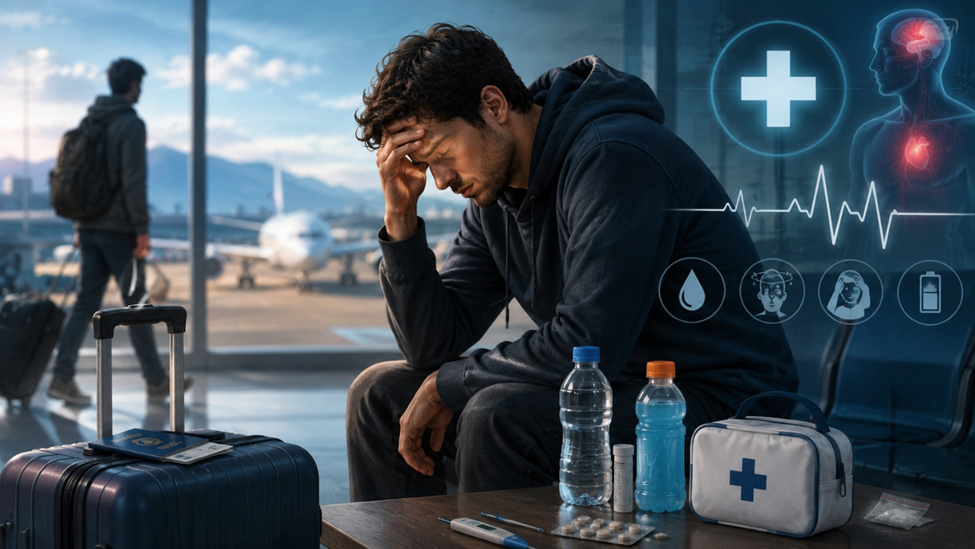
Travel often changes the conditions that normally help a person stay safe. Sleep schedules become irregular, meals may be missed, the weather may be hotter or colder than expected, communication can become difficult, and trusted healthcare may be far away. These changes can make the health effects of cocaine even more unpredictable.
This cocainetravelguide article provides educational information about cocaine-related health risks, emergency warning signs, and practical harm-reduction principles for travelers. It does not encourage anyone to buy, possess, transport, or consume cocaine. Avoiding cocaine is the only reliable way to eliminate its direct health risks and reduce the possibility of drug-related legal trouble.
Harm reduction should never be confused with making cocaine safe. Illegal substances are not manufactured under dependable medical standards. Their strength, ingredients, and contamination can vary from one sample to another. A person may also respond differently because of dehydration, exhaustion, medication, illness, altitude, anxiety, or reduced tolerance.
Travelers should prepare for emergencies before leaving home. They should know how to contact local emergency services, understand where nearby medical care is available, protect their travel documents, and avoid delaying treatment because of fear or embarrassment.
Why Travel Can Increase Cocaine-Related Harm
Cocaine is a powerful stimulant that affects the brain, heart, blood vessels, body temperature, and nervous system. Its effects may include increased heart rate, elevated blood pressure, anxiety, agitation, sweating, restlessness, confusion, tremors, and difficulty sleeping. More serious complications can include seizures, stroke, abnormal heart rhythms, heart attack, psychosis, collapse, and sudden death.
Travel can intensify these dangers. Long journeys may involve sleep loss, dehydration, skipped meals, emotional stress, alcohol consumption, and long periods of sitting. A destination may also have extreme heat, high altitude, crowded nightlife, unfamiliar transportation, or limited healthcare access.
A person who is tired or dehydrated may misinterpret early warning signs. A racing heart might be blamed on anxiety. Dizziness may be blamed on jet lag. Confusion may be dismissed as intoxication. Delaying care can allow a serious medical problem to become more dangerous.
Language barriers can create another challenge. A traveler may be unable to describe what happened, identify the substance involved, or understand instructions from medical staff. Preparing translated medical information and emergency contacts before departure can make communication easier.
The cocainetravelguide approach begins with understanding that travel does not protect anyone from drug-related harm. Instead, travel may add several new risks at the same time.
No Amount Can Be Guaranteed Safe
There is no universal amount of cocaine that can be considered safe for every person or every situation. The body’s reaction depends on many factors, including underlying health conditions, the strength and contents of the substance, other substances taken, and the individual’s physical condition.
The CDC explains that stimulant overdoses can present differently because effects vary according to the substance, dose, route of exposure, health history, and other circumstances. A life-threatening reaction may therefore look different from one person to another.
Past experience does not guarantee future safety. A person may have used cocaine before without an obvious emergency, but a different supply may contain a higher concentration or unexpected substances. Reduced tolerance after a period without use can also increase risk.
Travelers should not trust claims about quality, strength, or purity. A seller’s reputation, the appearance of a powder, its price, or comments from friends cannot confirm its chemical contents. Illegal markets provide no reliable quality control.
This uncertainty is central to cocainetravelguide health guidance. The safest decision is complete avoidance because neither appearance nor prior experience can predict the next reaction.
Effects on the Heart and Blood Vessels
Cocaine places immediate strain on the cardiovascular system. It can increase heart rate and blood pressure while affecting blood vessels and the electrical activity controlling the heartbeat.
Warning signs may include chest pain, chest pressure, shortness of breath, dizziness, faintness, heavy sweating, weakness, or an irregular heartbeat. These symptoms should always be treated seriously.
A common mistake is assuming that a young or physically active person cannot have a cocaine-related heart emergency. Serious complications are not limited to older adults or people with a diagnosed heart condition. Someone may have an undetected cardiovascular problem that becomes apparent only during intense physical stress.
Travel activities can add further strain. Dancing for several hours, climbing hills, hiking in heat, swimming, staying awake overnight, or moving between hot and air-conditioned environments can increase stress on the body.
Anyone experiencing chest pain, collapse, severe breathlessness, or unusual heart symptoms after possible cocaine exposure requires immediate professional medical care. Do not attempt to walk the person back to a hotel or wait for the symptoms to disappear.
Overheating, Dehydration, and Physical Exhaustion
Stimulants can interfere with the body’s ability to regulate temperature. A person may remain physically active without recognizing exhaustion, dehydration, or overheating.
Hot climates, crowded clubs, festivals, beaches, and poorly ventilated spaces can make this more dangerous. Heavy clothing, prolonged dancing, limited water access, and alcohol consumption may worsen dehydration.
Signs of a serious heat-related problem can include very hot skin, confusion, severe agitation, weakness, vomiting, collapse, or an unusually high body temperature. This is a medical emergency.
Move the person away from heat and strenuous activity while emergency help is being contacted. Do not force an unconscious or confused person to drink because they may choke. Follow instructions from emergency personnel.
Hydration is important during travel, but excessive water consumption can also be harmful. A traveler should not assume that drinking large quantities of water will reverse cocaine toxicity. Medical complications require professional assessment.
The cocainetravelguide message is that water, rest, or fresh air cannot replace emergency treatment when serious symptoms are present.
Effects on the Brain and Nervous System
Cocaine can affect movement, judgment, perception, memory, and emotional control. Immediate neurological symptoms may include tremors, muscle twitching, severe headache, confusion, loss of coordination, or seizures.
A sudden severe headache, weakness on one side of the body, difficulty speaking, facial drooping, or loss of consciousness may indicate a stroke or another neurological emergency. Contact emergency services immediately.
A seizure requires urgent medical attention. Move dangerous objects away from the person and protect their head from injury. Do not restrain their movements and do not place anything in their mouth.
After the seizure stops, check whether the person is breathing. Place them on their side when appropriate and safe to do so, and remain with them until medical help arrives.
Travel companions should never assume that a seizure or collapse is simply part of being intoxicated. Waiting can lead to permanent injury or death.
Anxiety, Panic, Paranoia, and Psychosis
Cocaine can cause intense anxiety, panic, irritability, suspiciousness, aggression, or paranoia. Repeated exposure or severe stimulant toxicity may contribute to hallucinations, irrational beliefs, or psychosis. WHO guidance includes anxiety, mood changes, paranoia, aggressive behavior, memory difficulties, and psychosis among cocaine-related risks.
These effects can be especially dangerous in an unfamiliar country. A confused traveler may misinterpret the actions of hotel staff, security personnel, police officers, taxi drivers, or friends. They may run into traffic, leave a safe location, enter an unknown vehicle, or react aggressively toward someone attempting to help.
When a person is frightened or paranoid, speak calmly and avoid sudden movements. Reduce noise, crowds, and confrontation where possible. Do not argue aggressively about what the person believes they are seeing or experiencing.
If the individual becomes violent, threatens self-harm, cannot recognize familiar people, appears severely confused, or cannot be safely supervised, seek emergency assistance.
Do not leave a distressed person alone in a hotel room, restroom, street, beach, or vehicle. Psychological symptoms can change rapidly and may accompany serious physical toxicity.
Cocaine and Alcohol
Alcohol is common in tourism and nightlife environments, but combining alcohol with cocaine increases health and behavioral risks. Mixing substances can make it harder to recognize intoxication, fatigue, dehydration, and worsening symptoms.
Alcohol can reduce judgment and make repeated substance use more likely. A person may feel alert because of stimulant effects while still being significantly impaired by alcohol.
This false sense of control can lead to dangerous driving, swimming, climbing, sexual risk, violence, theft, loss of belongings, or separation from trusted companions.
Using more than one substance also makes medical emergencies harder to interpret. Healthcare workers may need to treat several interacting effects rather than one predictable exposure.
The CDC defines polysubstance exposure as taking more than one drug, whether intentionally or unknowingly, and notes that overdoses involving multiple substances have increased.
A central cocainetravelguide harm-reduction principle is to avoid mixing cocaine with alcohol, opioids, stimulants, sedatives, prescription medication, or other substances.
Interactions With Prescription Medicines
Travelers may take prescription medicine for blood pressure, heart conditions, depression, anxiety, sleep disorders, attention disorders, pain, allergies, or other health needs.
Cocaine may interact unpredictably with medication. The risk can be greater when the medicine affects heart rate, blood pressure, mood, alertness, breathing, or the central nervous system.
A person should not stop prescribed medicine or change the dose without speaking with a qualified healthcare professional. They should also not assume that skipping medicine makes cocaine use safe.
Before traveling, anyone concerned about possible drug interactions should speak honestly with a medical professional. Confidential medical advice before departure is safer than attempting to solve an emergency abroad.
Carry an updated list of medications, allergies, health conditions, and emergency contacts. This information can help local healthcare professionals provide faster treatment.
Contamination With Fentanyl or Other Substances
Illegal cocaine may contain substances that the person did not intend to take. NIDA warns that cocaine may be adulterated with highly potent fentanyl and that this can contribute to overdose.
Fentanyl is an opioid, so contamination can create symptoms that differ from a typical stimulant reaction. A person may become extremely sleepy, unresponsive, or unable to breathe normally.
Because contamination cannot be identified through appearance, smell, texture, or taste, travelers should never assume that a substance contains only cocaine.
Drug-checking services or fentanyl test strips may be available in some places, but laws, access, and reliability vary. A negative result cannot guarantee that the entire supply is free from dangerous substances.
The only way to eliminate the risk of hidden fentanyl in illegal cocaine is not to use it. Where exposure may occur despite that warning, access to naloxone and knowledge of emergency response may save a life.
Understanding Naloxone
Naloxone is a medicine that reverses opioid overdose. It does not reverse cocaine toxicity, but it can help when cocaine has been contaminated with fentanyl or another opioid.
If someone is unconscious, cannot be awakened, or is breathing very slowly or not at all, call emergency services immediately. Administer naloxone when it is available and opioid exposure is possible, following the product instructions and emergency-dispatch guidance.
SAMHSA states that naloxone is appropriate for suspected opioid overdose, including fentanyl-involved events. More than one dose may sometimes be required, but emergency medical help remains necessary because naloxone’s effect may wear off.
Continue checking breathing and follow emergency instructions. Begin rescue breathing or CPR if directed and if you are trained.
Carrying naloxone does not make cocaine use safe. It does not treat heart attack, stroke, overheating, seizure, agitation, or other stimulant-related complications.
Travelers should also check whether carrying naloxone is permitted at their destination and whether it is available locally.
Warning Signs That Require Emergency Help
A traveler should contact emergency services immediately when someone develops chest pain, severe breathing difficulty, a seizure, collapse, unconsciousness, extreme agitation, severe confusion, very high body temperature, blue or gray lips, abnormal breathing, or symptoms resembling a stroke.
Other concerning signs include violent behavior that cannot be safely managed, repeated vomiting with reduced consciousness, an irregular heartbeat, or an inability to recognize familiar people.
Do not wait for every symptom to appear. Serious toxicity can develop rapidly.
Tell emergency responders what may have been taken, when exposure may have occurred, and whether alcohol, medication, or other substances were involved. Accurate information can guide lifesaving treatment.
Fear of judgment should never delay care. Local drug laws differ, but a medical emergency can become fatal while companions are deciding what to do.
The cocainetravelguide emergency rule is simple: when symptoms are severe, unusual, or worsening, call for professional help immediately.
What to Do While Waiting for Help
Move the person away from traffic, water, stairs, balconies, heat, crowds, and other immediate dangers.
Stay with them and speak calmly. Do not allow them to drive, swim, walk alone, or leave with strangers.
If the person is unconscious but breathing, place them on their side when safe to do so. This can help keep the airway open and reduce the risk of choking.
If they are not breathing normally, follow instructions from the emergency dispatcher. Begin CPR or rescue breathing when trained and instructed.
Do not force food, water, coffee, alcohol, or medication into the person’s mouth. Do not place them in a cold bath, restrain them unnecessarily, or attempt to make them vomit.
Keep any available information about substances, medications, allergies, and health conditions for medical personnel. Do not delay emergency treatment while attempting to clean the room or hide evidence.
Avoiding Solitary Use
Being alone increases the risk that no one will recognize an emergency or contact medical services. A person who collapses in a locked hotel room, private bathroom, rental apartment, or isolated outdoor location may not be discovered in time.
Travel companions should agree that anyone showing dangerous symptoms will receive medical help immediately. No one should be abandoned because of fear, embarrassment, or concern about disrupting the trip.
A person should not rely on strangers or newly met acquaintances for emergency support. They may leave, panic, steal belongings, or avoid contacting authorities.
Hotel staff, licensed venue security, tour leaders, and trusted travel companions may be able to assist with contacting local emergency services.
The safest option remains not using cocaine. When exposure has already occurred, remaining within reach of reliable help is safer than isolation.
Route-Related Health Risks
Different methods of cocaine exposure can produce different injuries, but no method is safe.
Snorting can damage nasal tissue, contribute to bleeding, infection, loss of smell, or damage to the nasal septum. Smoking can irritate and injure the lungs and airways. Injecting carries risks of bacterial infection, damaged veins, abscesses, and bloodborne viruses such as HIV and hepatitis B or C. WHO notes that sharing contaminated injecting equipment is an important route of transmission for these infections.
Sharing straws, pipes, needles, or other equipment may expose people to blood or bodily fluids. Travelers who have already used should not share equipment.
Where legal and available, sterile supplies and health services can reduce some infection risks, but they cannot prevent cocaine-related heart, brain, temperature, or mental-health emergencies.
Anyone who develops redness, swelling, severe pain, pus, fever, breathing problems, persistent nosebleeds, or unusual skin changes should seek medical care.
Protecting Friends Without Taking Personal Legal Risks
A traveler can support a companion without carrying, hiding, purchasing, or disposing of illegal substances for them.
Do not place another person’s cocaine in your suitcase, pocket, vehicle, hotel safe, or accommodation. Helping someone conceal an illegal substance can create serious legal consequences.
Instead, focus on safety. Contact medical services when necessary, provide accurate information to healthcare workers, secure the person’s passport and phone, and notify a trusted family member when appropriate.
Travel groups should discuss boundaries before entering nightlife environments. Each person should know that the group will not ignore a medical crisis and will not accept responsibility for someone else’s illegal items.
Support should protect life without drawing additional travelers into criminal activity.
Planning Before Departure
A strong cocainetravelguide safety plan begins before the flight.
Save the emergency number for every destination and transit country. Identify nearby hospitals or reputable clinics, particularly when traveling to remote areas.
Purchase travel insurance and read the exclusions. Some policies may limit coverage when an incident involves illegal drugs or intoxication.
Carry a list of medical conditions, medications, allergies, blood type when known, and emergency contacts. Keep this information available even if the phone is lost or locked.
Learn a few emergency phrases in the local language, including how to say that someone is unconscious, having a seizure, experiencing chest pain, or struggling to breathe.
Travelers who have a history of cocaine use, cravings, dependence, or previous overdose should speak with a healthcare or addiction professional before departure. A plan may include avoiding triggering environments, scheduling support calls, traveling with trusted people, and knowing where treatment is available.
Mental Health and Travel Stress
Travel is often presented as relaxing, but it can also involve loneliness, social pressure, relationship conflict, financial anxiety, sensory overload, and disrupted routines.
Some people may use cocaine to stay awake, feel more confident, socialize, or escape uncomfortable emotions. These temporary effects can be followed by exhaustion, irritability, anxiety, low mood, cravings, or difficulty concentrating.
Repeated use can contribute to a substance-use disorder, affecting health, relationships, finances, work, and daily functioning. NIDA and WHO both describe cocaine as capable of causing dependence and serious medical or psychological complications.
Travelers who notice loss of control, repeated cravings, inability to stop, spending beyond their limits, hiding use, or continuing despite harm should seek professional support.
Returning home does not automatically solve the problem. Follow-up care may be necessary after the journey.
Safer Nightlife Decisions
Nightlife environments can make it difficult to recognize danger. Music, lighting, crowds, alcohol, fatigue, and excitement may distract people from worsening symptoms.
Arrange transportation before going out. Keep the accommodation address saved and written down. Carry a charged phone and enough money to return safely.
Stay with trusted companions and establish a meeting point in case the group becomes separated. Do not leave an impaired person alone or allow them to depart with a stranger.
Keep drinks under personal control to reduce the risk of tampering. Avoid unknown pills, powders, liquids, or cigarettes offered by others.
Do not enter unfamiliar cars, hotel rooms, alleys, private homes, or isolated areas with sellers or strangers.
A responsible cocainetravelguide plan treats personal safety, medical safety, and legal safety as connected issues.
After a Cocaine-Related Incident
Someone who survives a serious reaction should still receive medical assessment. Symptoms may improve temporarily while underlying cardiovascular, neurological, or temperature-related complications remain.
Follow discharge instructions carefully. Avoid strenuous travel, driving, swimming, hiking, or returning immediately to nightlife until a qualified professional confirms it is safe.
Keep medical documents for travel insurance and follow-up treatment. Arrange further assessment after returning home, especially when the incident involved chest pain, seizure, loss of consciousness, severe agitation, or breathing problems.
A frightening event can also cause anxiety, shame, sleep problems, or emotional distress. Support from a doctor, counselor, addiction professional, or trusted person may help.
The incident should be treated as an important health warning rather than an inconvenience that interrupted the holiday.
Seeking Help for Cocaine Use
A person does not have to wait for an overdose, arrest, or major crisis before seeking support.
Medical professionals can assess heart health, sleep, mood, cravings, and other effects. Addiction services may provide counseling, behavioral treatment, relapse-prevention planning, and support for related mental-health concerns.
Tell the provider honestly how often cocaine is used, whether other substances are involved, and whether previous emergencies have occurred. Accurate information supports better care.
Travelers already receiving treatment should discuss plans before departure. Abrupt changes to counseling, medication, support groups, or daily routines may increase vulnerability.
When abroad, an embassy, insurer, hotel, licensed clinic, or local health authority may help identify reputable medical services. These organizations cannot guarantee treatment quality, so professional credentials and official recommendations should be checked where possible.
Conclusion
Cocaine creates serious and unpredictable health risks in every environment. Travel can add dehydration, exhaustion, extreme weather, language barriers, unknown drug supplies, limited healthcare access, and unfamiliar legal systems.
This cocainetravelguide resource emphasizes that avoiding cocaine is the safest choice. No amount, seller, appearance, or previous experience can guarantee safety. Severe reactions may involve the heart, brain, breathing, body temperature, or mental state.
Travelers should recognize emergency signs such as chest pain, seizures, collapse, severe confusion, overheating, abnormal breathing, and unconsciousness. Emergency services should be contacted immediately when these symptoms appear.
Because cocaine may contain fentanyl or other unexpected substances, naloxone can be lifesaving when opioid overdose is suspected, although it cannot reverse cocaine toxicity. Professional medical treatment remains essential.
Prepare before departure, protect trusted companions, avoid mixing substances, control personal belongings, and never delay emergency care. Harm reduction can reduce certain dangers, but it cannot transform illegal cocaine into a safe substance. The goal of cocainetravelguide is to help travelers make informed decisions that protect health, life, and future journeys.