
How Modern Office Lifestyles Contribute to Energy Slumps
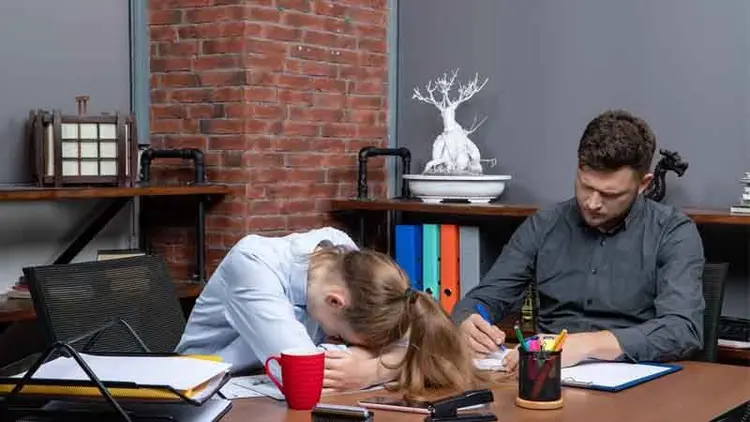
If your energy consistently nosedives somewhere between lunch and the end of the workday, the culprit may not be a lack of sleep at all, but the very structure of modern office life itself. Long stretches of sitting, back-to-back meetings, artificial lighting, and constant screen time all quietly chip away at your energy levels over the course of a day. This article explores how these everyday office habits contribute to that familiar afternoon slump, and what small changes can help you stay steadier and more focused from morning to evening.
The Hidden Cost of a Sedentary Workday
Most office jobs today involve hours of sitting at a desk, often with only short breaks in between. While this might feel restful compared to physical labour, prolonged sitting actually slows circulation and can leave your body feeling stiff, heavy, and low on energy. Without regular movement, blood flow to the brain and muscles decreases, which can contribute to that foggy, sluggish feeling many office workers experience well before the day is over.
Screens, Lighting, and Mental Fatigue
Spending eight or more hours staring at a computer screen under fluorescent or artificial lighting places a unique kind of strain on both your eyes and your mind. Unlike natural daylight, indoor lighting doesn’t always support your body’s natural rhythms, which can leave you feeling more tired than the actual hours worked would suggest. Constant notifications, switching between tasks, and the mental load of digital multitasking add another layer of fatigue that has little to do with physical exertion but drains energy all the same.
Everyday Office Habits That Add Up
Beyond sitting and screen time, there are several smaller, everyday habits that quietly contribute to energy dips throughout the workday:
- Skipping breakfast or grabbing something quick and sugary on the way to work
- Relying heavily on coffee, which can lead to energy crashes once it wears off
- Back-to-back meetings that leave little time to pause, stretch, or breathe
- Eating lunch at your desk instead of taking a proper break away from work
- Poor posture from hours in an office chair, which can leave you feeling physically drained
Why the Afternoon Slump Feels So Predictable
There’s a reason so many people feel their energy dip around the same time each afternoon. Blood sugar naturally fluctuates after meals, your body’s internal clock has a well-documented dip in alertness in the mid-afternoon, and the accumulated mental fatigue from a morning of meetings and screen work all converge around the same window. When you add a sedentary environment and limited exposure to fresh air or daylight into the mix, it’s easy to see why so many office workers hit a wall well before it’s time to clock out.
Practical Ways to Stay Steadier Through the Day
The good news is that small, consistent changes to your office routine can make a real difference:
- Take short movement breaks every hour, even if it’s just a quick walk around the office
- Step outside for a few minutes of natural light during your lunch break
- Choose balanced meals and snacks over sugary, quick-fix options
- Stay on top of hydration throughout the day, not just when you feel thirsty
- Give yourself proper breaks away from your screen, even short ones
On particularly demanding days, some office workers also turn to convenient, functional support to help see them through. Incorporating a functional nutritional drink like Sato Yunker Q10 Energy Jelly offers a portable jelly drink formulated with CoQ10, royal jelly extract, and ginseng root extract, making it an easy addition to a desk drawer or bag for those afternoons when a proper break simply isn’t an option but your energy still needs a lift.
Rethinking Meetings and Screen Time
Many offices run on a culture of back-to-back meetings, often scheduled with no buffer between them at all. This constant switching between conversations, screens, and mental contexts is genuinely tiring in a way that’s easy to underestimate, since it doesn’t involve physical exertion. Where possible, building in even five or ten minutes between meetings can make a noticeable difference, giving your mind a brief chance to reset before the next demand on your attention. Similarly, batching similar tasks together rather than constantly toggling between emails, calls, and deep work can reduce the mental fatigue that often masquerades as physical tiredness by mid-afternoon.
Creating an Office Routine That Works With Your Energy
Rather than fighting against your natural energy patterns, it often helps to work with them. Scheduling your most demanding tasks for the times of day when you naturally feel sharpest, and saving lighter, more routine work for the afternoon slump, can help you feel less depleted by the time you leave the office. Over time, small structural changes like this, combined with better movement and nutrition habits, can meaningfully shift how drained you feel at the end of a typical workday.
Modern office life wasn’t really designed with sustained energy in mind, but understanding where the drain comes from makes it much easier to work around it. By building small pockets of movement, better nutrition, and mindful breaks into your day, you can push back against the slump and finish your workday with a little more left in the tank.