
The Quiet Revolution Happening Inside Modern Voice Recorders
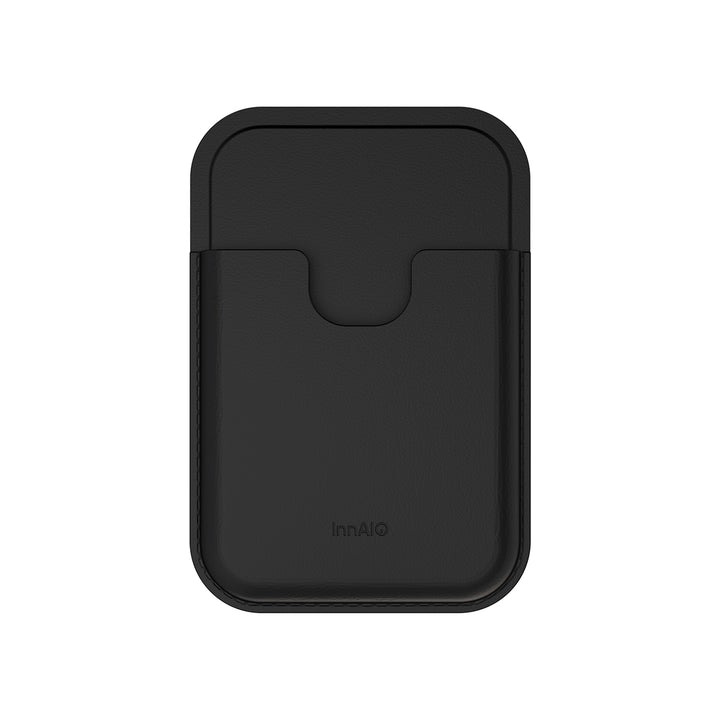
For most of the last thirty years, a voice recorder was a small metal box with a red button, a status light, and a chip that stored audio you would probably never listen to again. The category was so unglamorous it barely counted as a category. Then, almost without fanfare, something changed. Powerful transcription models, on-device neural processing, and modern microphone arrays quietly turned the humble recorder into one of the most useful pieces of hardware a professional can carry. It happened faster than anyone advertised. If you last shopped for one in 2019, or if you have simply been using your phone’s built-in recorder and hoping for the best, the state of the art has moved so far ahead that a fresh look is worth your time. Here is what the shift actually looks like and why it matters for how you work.
From Passive Storage to Active Understanding
The most important change is philosophical, not technical. Old recorders captured audio and stopped there. Modern devices treat audio as a first draft of a document. The moment the recording ends, the transcript is written, speakers are identified, key moments are highlighted, and the whole file is indexed for search. Buyers looking for the best ai voice recorder are effectively shopping for a small pocket assistant, not a passive storage tool. This is what makes head-to-head comparisons with phone apps so lopsided. The phone captures; the modern recorder understands.
What “Understanding” Means in Practice
Understanding is a slippery word, so it is worth being concrete. A modern recorder can distinguish a decision from a digression, tag a follow-up commitment made in passing, and separate a meandering discussion from the sentence that actually settled it. It can generate a two-paragraph summary that a colleague who missed the meeting can read in under a minute. It can surface the exact timestamp when a specific topic came up, weeks after the fact. None of this happened five years ago, and all of it is expected today.
Three Hardware Advances That Changed Everything
Software gets most of the attention because it is what users see. Underneath, three hardware advances made the current generation of recorders possible. Understanding them helps you evaluate a candidate device with clearer eyes.
Multi-Microphone Arrays with Beamforming
A single omnidirectional microphone picks up everything equally, which is exactly the wrong approach when a colleague across the table is competing with a barista. Multi-microphone arrays use the tiny timing differences between microphones to figure out where a sound is coming from, then digitally focus on that direction. The result is that a device sitting in the middle of a table can effectively focus on whichever person is talking, dramatically reducing noise for the transcription model.
On-Device Neural Processing
A few years ago, transcription meant uploading audio to a cloud service and waiting. The privacy implications alone kept many teams away, and the latency killed real-time features. Purpose-built neural chips now allow substantial portions of the transcription pipeline to run on the device itself. Sensitive recordings never need to leave your pocket, and features that require immediate feedback become feasible in ways they simply were not before.
Battery and Storage Density
None of the software matters if the device dies after ninety minutes. Denser batteries and higher-capacity storage let modern recorders run entire days of meetings without a charge, with room for weeks of recordings before syncing becomes urgent. This sounds mundane compared to AI features, but it is the change that turns the device from something you charge nightly into something you almost forget you are carrying.
Where the Revolution Falls Short
Honesty is more useful than hype. Modern recorders are not magic, and there are situations where they underperform expectations. Knowing the limits before you buy prevents disappointment.
Highly Technical Vocabulary
Transcription models are trained on general language and can stumble on domain-specific terminology. Medical, legal, and engineering conversations often produce transcripts that need vocabulary correction. Some devices allow custom dictionaries, which help a lot; the ones that do not require manual cleanup after every specialized meeting.
Very Small Groups vs. Large Rooms
Most devices are optimized for one-on-ones and small meetings up to about six people around a table. Auditorium-scale recording, or capturing a distant speaker from the back of a lecture hall, remains a weak spot. Buyers with those needs should look specifically at external microphone support rather than assuming built-in arrays will cover the distance.
Cross-Talk in Loud Environments
Beamforming helps, but it is not a miracle. In an open-plan office with three overlapping conversations, even the best hardware sometimes bleeds one voice into another speaker’s transcript. Positioning the device thoughtfully still matters, and no algorithm entirely removes that responsibility from the user.
Buying Well Instead of Buying More
Given how quickly the category has evolved, the temptation is to chase the newest device with the longest feature list. That is usually the wrong instinct. A device with fewer features that work reliably beats one with a dozen features that mostly work. Focus on the two or three capabilities you will actually use every week, and verify those capabilities perform well in the environments where you will use them. Ignore the rest. The buyer who wants a solid meeting recorder does not benefit from voice-command support they will never invoke, and the buyer who wants a pocket interview companion does not benefit from a dozen studio-grade recording modes.
Prioritize the Companion Experience
The hardware is only half the product. The app or web tool that receives the recordings, organizes them, and surfaces the transcripts is where most of your time will actually be spent. Try the companion experience before buying if possible. A polished device paired with a clunky app becomes a source of daily friction. Manufacturers like INNAIO have quietly invested in the software side because they understand that in this category, the interaction after the recording matters as much as the recording itself.
Read the Update Cadence
The recorder you buy today will improve if the manufacturer keeps shipping firmware and model updates. Check how frequently the company has updated its previous devices. A brand that ships quarterly improvements protects your purchase; a brand that abandons devices after twelve months quietly leaves you behind as the underlying transcription models get better elsewhere.
A Small Device with an Outsized Return
The revolution described here is quiet on purpose. Modern voice recorders do not blink or beep or announce themselves. They sit in a pocket or on a table and quietly turn spoken conversation into a searchable, shareable record. The change in workflow is easy to underestimate until you experience it. Meetings you used to dread reviewing become five-minute skims. Interview archives that once took hours to work through become searchable in seconds. Client conversations you would have forgotten remain vivid because the transcript sits one query away. If your work involves listening to people, the modern generation of recorders is one of the highest-leverage tools you can add to your setup. Choose thoughtfully, prioritize reliability over feature count, and let the device do the work you used to do by hand.