
What Every New Homeowner Should Know About Roof Lifespan and Replacement Costs
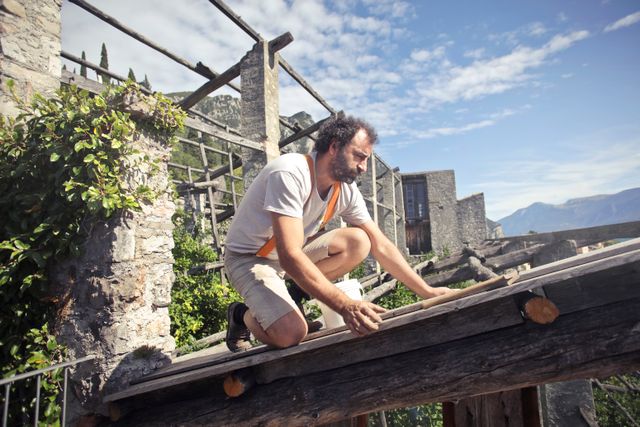
When you purchase your first home, the roof overhead is easy to overlook. Most new homeowners focus on interior finishes, foundation integrity, or visible structural elements, but the roof is arguably your most critical protective investment. Understanding how long your roof will last and what replacement might cost can save you thousands of dollars in unexpected expenses and help you plan major home improvements more effectively.
How Long Does a Typical Roof Last?
The lifespan of your roof depends primarily on the materials used during installation. Asphalt shingles, the most common roofing material in North America, typically last between 15 to 25 years under normal weather conditions. This range accounts for variations in climate, installation quality, and maintenance practices. If you live in an area with severe weather patterns, such as frequent hail storms or intense UV exposure, your asphalt roof may deteriorate faster and require replacement closer to the 15-year mark.
Metal roofs offer significantly greater longevity and can last 40 to 70 years with proper maintenance. While the initial investment for metal roofing is considerably higher than asphalt alternatives, the extended lifespan often justifies the upfront cost for homeowners planning to remain in their homes long-term. Tile and slate roofs are even more durable, sometimes lasting 50 to 100 years or more, though they require professional installation and regular upkeep.
Wood shake roofs, which add aesthetic value to certain home styles, typically last 20 to 40 years depending on climate and treatment. However, they require more frequent maintenance and may not be permitted in areas with strict fire codes. Composite shingles, a newer option combining materials to enhance durability, usually last 25 to 30 years and offer a middle ground between cost and performance.
Factors That Affect Roof Longevity
Ventilation and attic conditions play a crucial role in determining how long your roof remains functional. Poor attic ventilation can trap heat and moisture, leading to premature deterioration of roofing materials and the underlying structure. When warm, moist air becomes trapped in your attic, it creates an environment where shingles curl, wood rots, and mold develops. Proper ventilation keeps attic temperatures closer to outdoor conditions, significantly extending your roof’s lifespan.
The pitch or slope of your roof also influences its longevity. Steeper roofs shed water and debris more efficiently than flat or low-pitch roofs, reducing the likelihood of water pooling and causing leaks. In areas with heavy snow accumulation, a steeper pitch prevents dangerous snow load buildup. Geographic location matters considerably as well, since roofs in coastal areas with salt spray, regions prone to hail, or locations with extreme temperature fluctuations face accelerated aging.
Regular maintenance is perhaps the most controllable factor affecting roof lifespan. Cleaning gutters, removing debris from the roof surface, and scheduling professional inspections every one to two years can add years to your roof’s life. Tree branches hanging over your roof create shade that promotes algae growth and can damage shingles during storms. Trimming overhanging branches and keeping your roof clear improves both longevity and performance.
Understanding Roof Replacement Costs
The cost of replacing your roof varies dramatically based on the materials selected, the size of your roof, and your geographic location. A basic asphalt shingle roof replacement for an average single-family home typically costs between $5,000 and $15,000, though this figure can be significantly higher in areas with elevated labor costs. The price per square (100 square feet) for asphalt shingles ranges from $50 to $150, depending on shingle quality and local market conditions.
Metal roofing replacements generally cost more upfront, ranging from $10,000 to $25,000 or more for a standard residential installation. However, when divided across the decades of lifespan, the per-year cost becomes competitive with asphalt alternatives. Tile and slate roofs command premium prices, often exceeding $30,000 due to material costs and the specialized labor required for proper installation.
Several additional factors can increase your final replacement bill. Structural repairs, such as replacing rotted plywood or reinforcing the roof frame, can add thousands to the project cost. Removing old roofing materials and disposing of them properly incurs disposal fees that vary by location. Upgrading ventilation or adding insulation during a roof replacement increases overall expense but provides long-term energy efficiency benefits that may reduce heating and cooling costs over time.
Planning for Future Roof Replacement
Establishing a roof replacement fund as soon as you purchase your home is a practical financial strategy. By setting aside funds monthly based on your roof’s age and expected lifespan, you avoid the shock of a sudden major expense. If your home inspection reveals a roof nearing the end of its expected life, factor replacement costs into your negotiation timeline and budget planning.
Obtaining detailed roof inspection reports from certified professionals provides valuable information for long-term planning. A professional can identify specific areas of concern, estimate remaining lifespan more accurately than a general timeline, and recommend maintenance steps to extend durability. Reviewing your homeowner’s insurance policy clarifies what storm or sudden-damage expenses you might recover, which can meaningfully offset replacement costs.
When the time comes for replacement, obtaining multiple quotes from licensed roofing contractors ensures fair pricing and a clear understanding of what each estimate includes. Roof replacement in storm-prone regions requires contractors who understand local weather demands, helping homeowners select materials and installation methods that hold up under the specific conditions their roof will face year after year. Compare not only the total price but also warranty offerings, material quality grades, and contractor experience, since these variables can significantly affect the long-term value of the project.
Conclusion
Your roof is one of the most important investments in your home, and understanding its lifespan and replacement costs empowers you to make informed financial decisions. Most residential roofs last between 15 and 40 years depending on materials, with asphalt shingles on the lower end and metal roofing extending well beyond that range. By recognizing the factors that influence longevity, including ventilation, slope, and regular maintenance, you can maximize the years you get from your current roof. Planning ahead for eventual replacement, maintaining detailed records of your roof’s condition, and building a dedicated replacement fund will help you avoid financial stress when replacement becomes necessary. As a new homeowner, prioritizing roof knowledge now sets you up for better decision-making throughout your homeownership journey.