
Rolex: The Craftsmanship, Innovation, and Heritage Behind a Luxury Icon
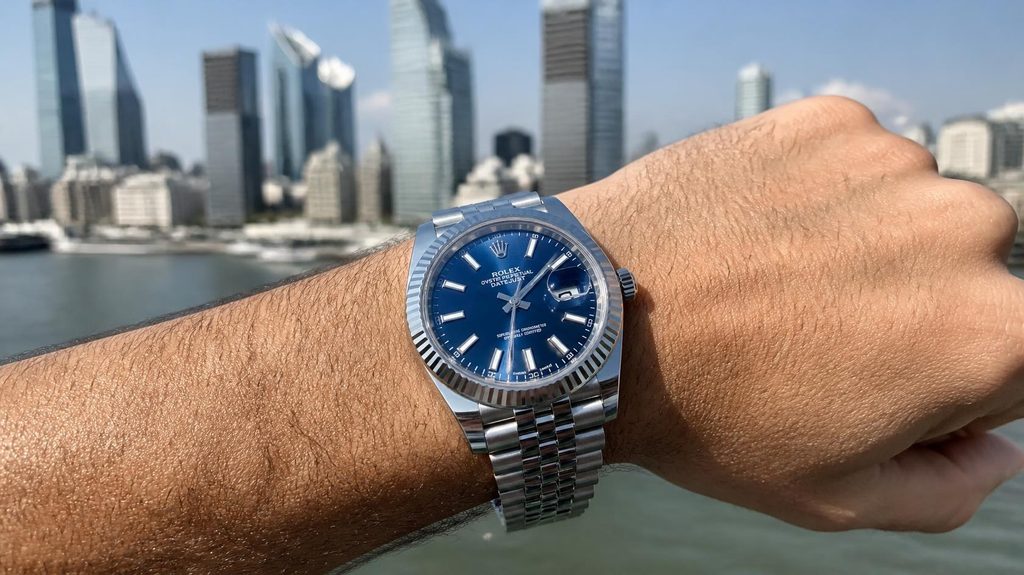
Few accessories have managed to remain culturally relevant for generations while retaining their original mechanical character. Traditional watches are a notable example. Even though modern technology offers countless ways to check the time, mechanical timepieces continue to attract collectors and enthusiasts who value precision engineering, craftsmanship, history, and enduring design.
Rolex has become one of the most recognizable names within this tradition. Its reputation has been shaped by a combination of technical innovation, durable construction, distinctive aesthetics, and a long association with professional activities. Understanding these qualities provides a useful way to appreciate not only the brand itself but also the broader art of mechanical watchmaking.
The Beginning of a Watchmaking Tradition
The development of the wristwatch created new opportunities for watchmakers but also introduced significant technical challenges. A watch worn on the wrist was constantly exposed to movement, moisture, dust, temperature changes, and accidental impacts.
Protecting the delicate components inside a mechanical movement therefore became an important objective.
Rolex was closely associated with developments in water-resistant watch construction, including the Oyster case. This helped establish the concept of a wristwatch that could offer both sophisticated appearance and practical resistance to everyday environmental conditions.
The idea was influential because it moved the wristwatch further away from being merely a decorative accessory. It could be an instrument designed for real-world use.
How Mechanical Movements Work
The mechanical movement is the foundation of a traditional luxury watch.
Rather than depending on a conventional battery, a mechanical movement uses energy stored in a mainspring. As the spring releases energy, it passes through a series of gears. The escapement controls this release, while the balance assembly regulates the movement’s rhythm.
The mechanism requires careful coordination between numerous components.
The parts are extremely small, and their dimensions must be controlled precisely. Proper lubrication, finishing, assembly, and adjustment are also essential.
This miniature engineering is one of the major reasons mechanical watches remain fascinating. A relatively small object can contain a complex system capable of operating continuously for years when properly maintained.
Precision at a Small Scale
Reliable timekeeping requires precision throughout the manufacturing process.
Mechanical movements are sensitive to several environmental factors. Temperature, position, magnetic fields, and physical shocks can influence performance.
Modern manufacturing has introduced improved materials and production techniques to reduce these effects. More consistent component production allows movements to be assembled with greater precision, while testing helps identify variations that require adjustment.
The pursuit of accuracy therefore involves multiple stages rather than a single technological breakthrough.
This attention to detail is a defining characteristic of serious mechanical watchmaking.
The Strength of Recognizable Design
Design is another important element of a luxury watch’s identity.
Rolex has generally favored gradual evolution over dramatic redesigns. Established visual characteristics have been refined over time while maintaining recognizable relationships between cases, dials, bezels, and bracelets.
This creates continuity across generations.
A watch produced decades ago can still appear connected to contemporary examples. For collectors, this provides an opportunity to explore the evolution of a design without losing sight of its original character.
It also contributes to the concept of timelessness. A watch that is not heavily dependent on temporary fashion trends can remain attractive for many years.
The Influence of Professional Use
The history of mechanical watchmaking is closely connected with professional activities.
Divers required reliable timing underwater. Pilots needed easily readable instruments. Explorers and other professionals needed durable watches capable of functioning in demanding environments.
These practical requirements influenced the development of specialized designs.
Features that were originally created for professional purposes eventually became recognizable characteristics of particular watch categories.
Today, many owners purchase these watches for everyday use, but their original purpose remains an important part of their heritage.
Materials and Manufacturing
A luxury watch combines multiple materials selected for different purposes.
Steel is valued for strength and resistance to corrosion. Precious metals offer distinctive appearance and weight. Sapphire crystal provides strong protection against scratches.
Ceramic components can also offer useful characteristics such as hardness and resistance to surface wear.
Yet the quality of the final product depends on more than the materials themselves.
Precision machining, finishing, inspection, and assembly are all necessary. Even small inconsistencies can influence how components fit together or how a finished surface appears.
The result is a product in which materials and manufacturing techniques work together.
Understanding Pre-Owned Watches
The pre-owned market has become an important part of the luxury-watch industry.
It allows enthusiasts to find discontinued models, vintage references, and watches with individual ownership histories.
However, buyers should evaluate each example carefully.
Condition can vary significantly. Previous polishing, bracelet wear, replacement components, movement condition, and servicing history may all affect the desirability of a particular watch.
Documentation can provide additional insight. Service records and other supporting information may help establish how the watch has been maintained.
Anyone researching the subject can explore rolex for additional luxury-watch information.
Authentication and Responsible Buying
Authentication is an important consideration when purchasing a valuable timepiece.
Counterfeit watches can sometimes reproduce external details convincingly, making it difficult to establish authenticity through appearance alone.
A proper assessment may involve examining the movement, case, dial, finishing, reference information, and individual components.
For significant purchases, professional inspection can provide additional confidence.
Buyers should also research the seller. Clear descriptions, transparent communication, appropriate documentation, and a willingness to answer questions are all useful indicators.
An unusually low price should be investigated carefully rather than automatically treated as an opportunity.
Maintenance and Long-Term Ownership
A mechanical watch is designed to provide long-term service, but regular care remains important.
The movement contains numerous components that move continuously. Over time, lubricants can deteriorate and individual parts can experience wear.
Professional servicing allows qualified technicians to inspect the mechanism, clean appropriate components, replace worn parts, and make necessary adjustments.
Water resistance should also be monitored. Seals can age and lose effectiveness, meaning that owners should not assume that the original water-resistance capability will remain unchanged indefinitely.
Proper storage and careful everyday handling can further help preserve the watch.
The Emotional Side of Watch Ownership
The value of a luxury watch is not always measured by engineering specifications.
A timepiece can commemorate a meaningful moment in someone’s life. It might be purchased after a career achievement, graduation, anniversary, or other milestone.
Over the years, the watch can become associated with memories that have nothing to do with its original purchase price.
Because mechanical watches can remain serviceable for decades, they can also become family heirlooms.
This potential for longevity gives traditional watches a unique emotional quality. A watch can carry both the history of its manufacturer and the personal history of its owners.
Developing a Collector’s Eye
Collecting watches can become much more rewarding as knowledge develops.
Learning about movement architecture, model references, materials, complications, case construction, and historical changes helps enthusiasts understand why apparently similar watches can differ significantly.
Collectors also develop individual preferences.
Some prefer vintage pieces with historical character. Others favor contemporary engineering and modern materials. Some are drawn to simple designs, while others enjoy technically complex movements.
There is no universally correct approach to collecting.
A successful collection is often one that reflects the owner’s genuine interests rather than simply following market popularity.
Selecting a Watch for Your Lifestyle
The intended use of a watch should influence the purchasing decision.
An everyday timepiece may need to be comfortable, durable, and versatile. A collector’s watch may be chosen primarily for its historical significance or technical characteristics.
Case dimensions are worth considering as well. Diameter, thickness, weight, and bracelet design can all influence comfort.
For pre-owned examples, buyers should pay particular attention to condition and service history.
It is also sensible to consider future maintenance costs. Owning a mechanical watch means accepting that professional servicing will eventually be necessary.
The Continuing Appeal of Mechanical Timepieces
Mechanical watches remain popular even though electronic devices offer greater accuracy and substantially more functionality.
Their appeal comes from something different.
A mechanical watch provides a tangible connection to engineering and craftsmanship. Its movement can be observed, its construction can be studied, and its design can remain relevant for decades.
Rolex has become one of the most recognizable representatives of this tradition. Its combination of technical development, professional heritage, recognizable design, and long-term identity has helped maintain interest across generations.
For readers interested in learning more about luxury watches, rolex superclone offers another resource.
Tradition Meets Modern Manufacturing
Modern watchmaking does not necessarily mean abandoning traditional techniques.
Contemporary manufacturers can use computer-assisted design, advanced machining, improved materials, and sophisticated testing while continuing to produce mechanical movements based on principles that are centuries old.
This combination of old and new allows mechanical watches to evolve without losing their essential character.
The result is a fascinating balance: traditional mechanical systems benefit from modern manufacturing capabilities while retaining the physical craftsmanship that makes them distinctive.
Looking Ahead
The future of mechanical watchmaking is likely to involve continued refinement rather than complete transformation.
Smartwatches will continue to develop digital capabilities, while traditional mechanical watches will remain focused on craftsmanship, design, heritage, and long-term ownership.
The two categories can coexist because they serve different purposes.
One emphasizes connectivity and functionality. The other emphasizes mechanical engineering and enduring design.
For enthusiasts, this distinction ensures that traditional watchmaking remains relevant even as technology continues to advance.
Conclusion
Rolex represents an important chapter in the broader history of mechanical watchmaking. Its development has been shaped by innovation, precision, durability, professional applications, and consistent design.
For buyers and collectors, understanding these elements can make luxury watches much more interesting. Instead of viewing a timepiece simply as an expensive accessory, it becomes possible to appreciate the engineering, craftsmanship, and history contained within it.
Research is particularly important when purchasing a pre-owned watch. Authenticity, condition, service history, documentation, and seller reputation can all influence the ownership experience.
Ultimately, the enduring appeal of a mechanical watch comes from its ability to combine function with craftsmanship. It measures time, but it can also preserve memories, express personal style, and connect its owner with a tradition of precision engineering that continues to evolve while remaining remarkably timeless.